01
Musculoskeletal pain
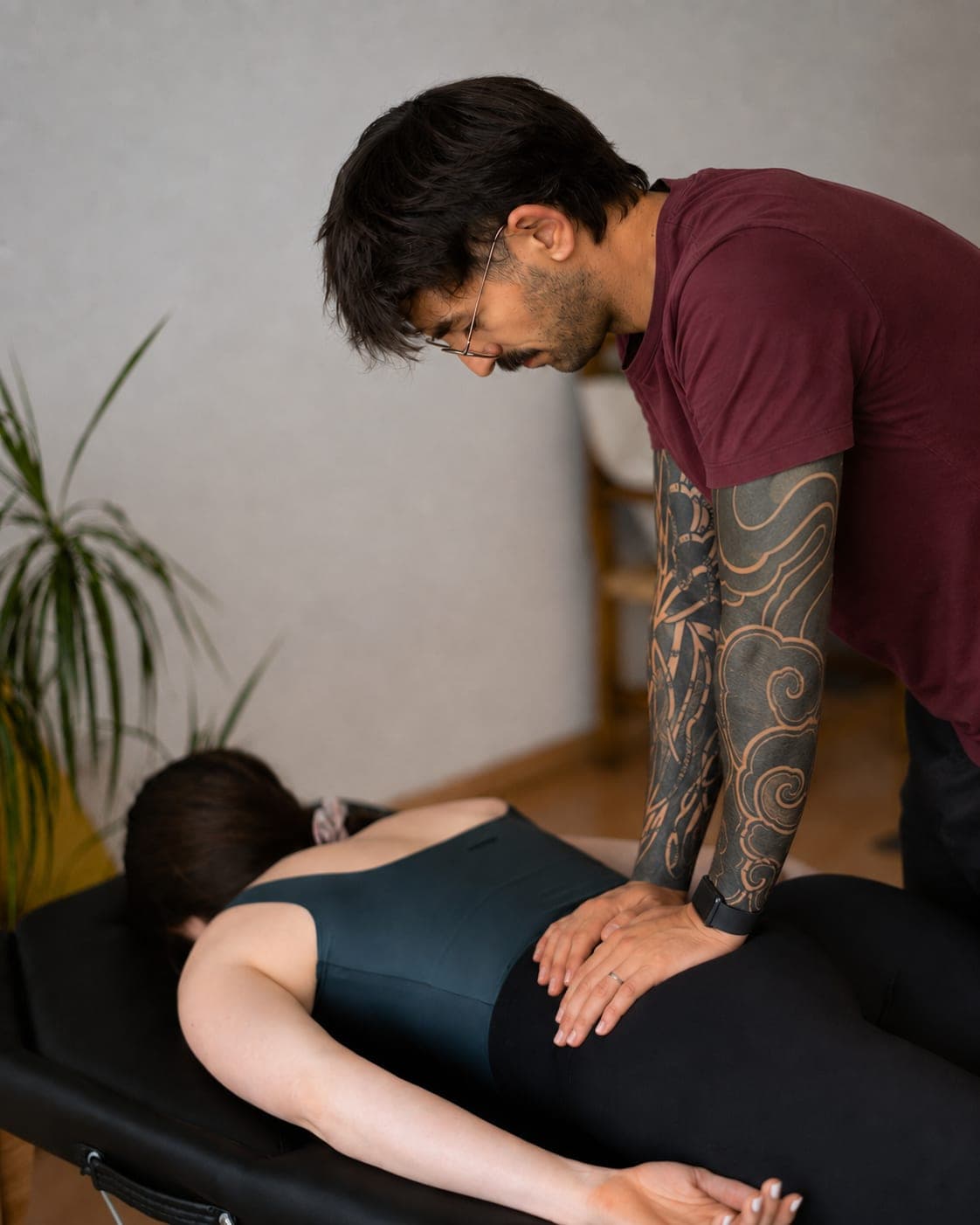
Lower back, neck, shoulder, hip. The pain that returns every month — not the one that passed.
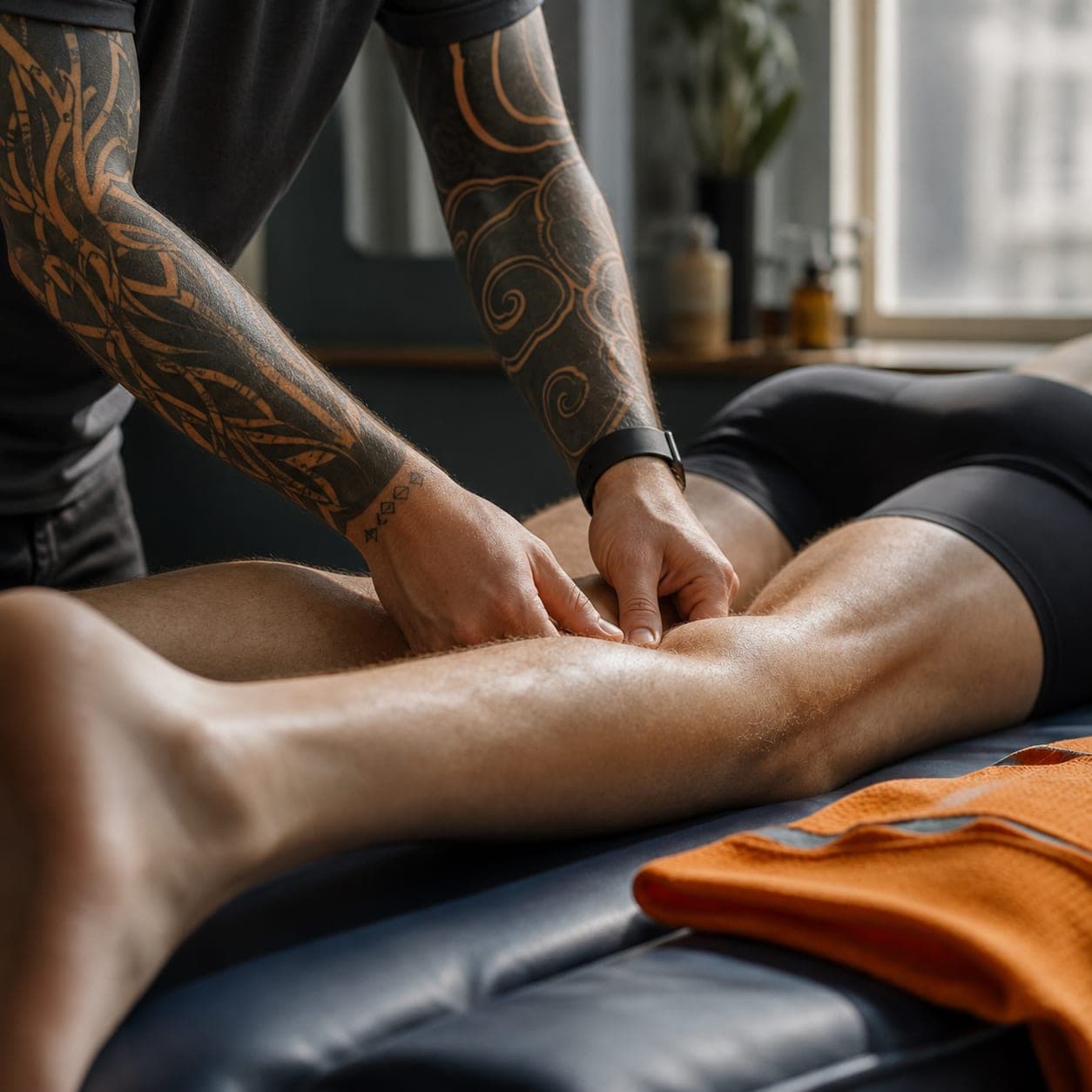
Kinesitherapy · rehabilitation · Sofia
We work on the cause, so you can do the things you want again — without planning them around the pain.
The practice is broad on purpose. A body does not sort itself into “orthopaedics” and “neurology” — in both cases we look for what stopped moving, and how to get it back.
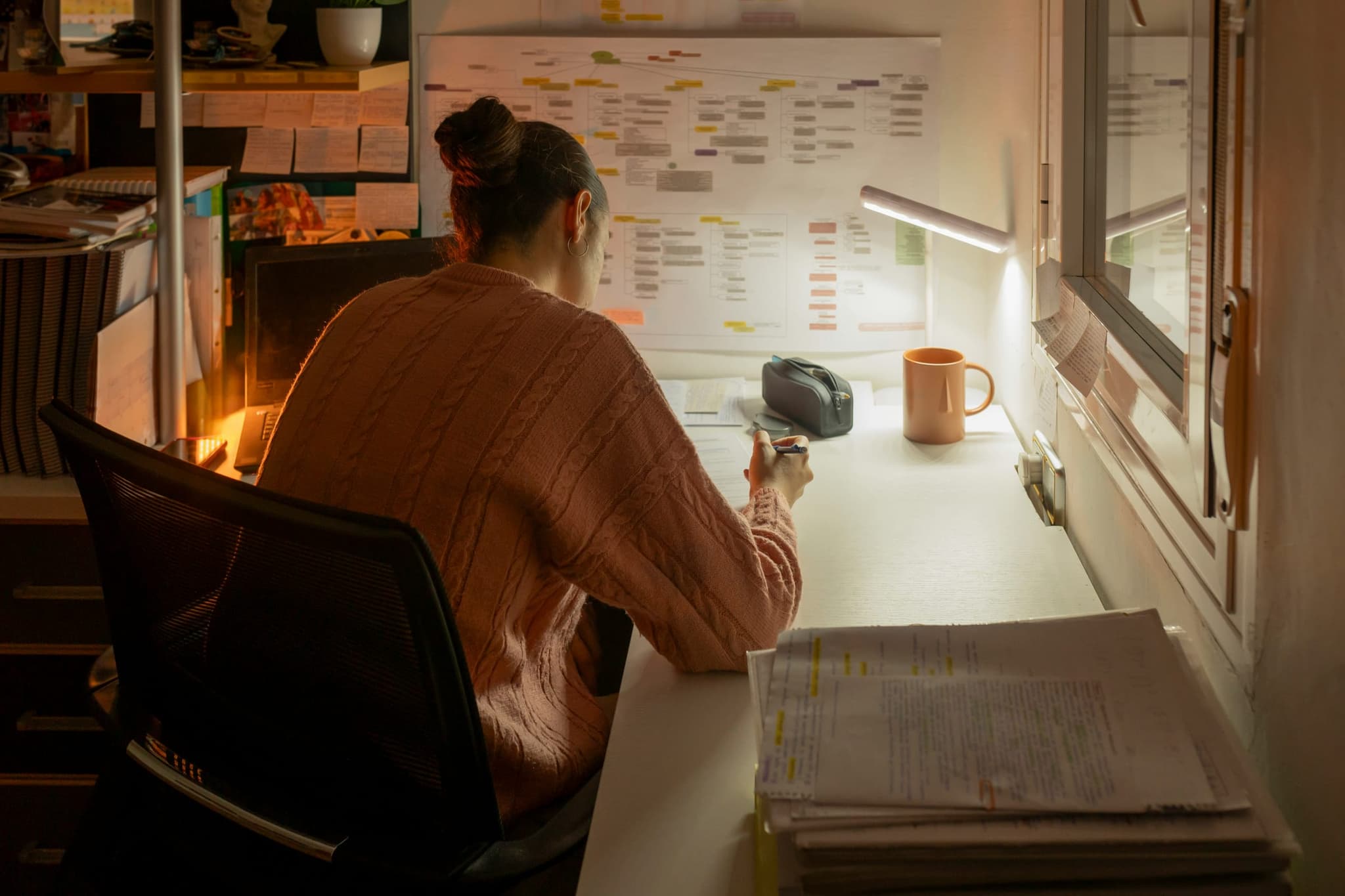
Lower back, neck, shoulder, hip. The pain that returns every month — not the one that passed.

Progressive loading from week one — not two weeks of rest.
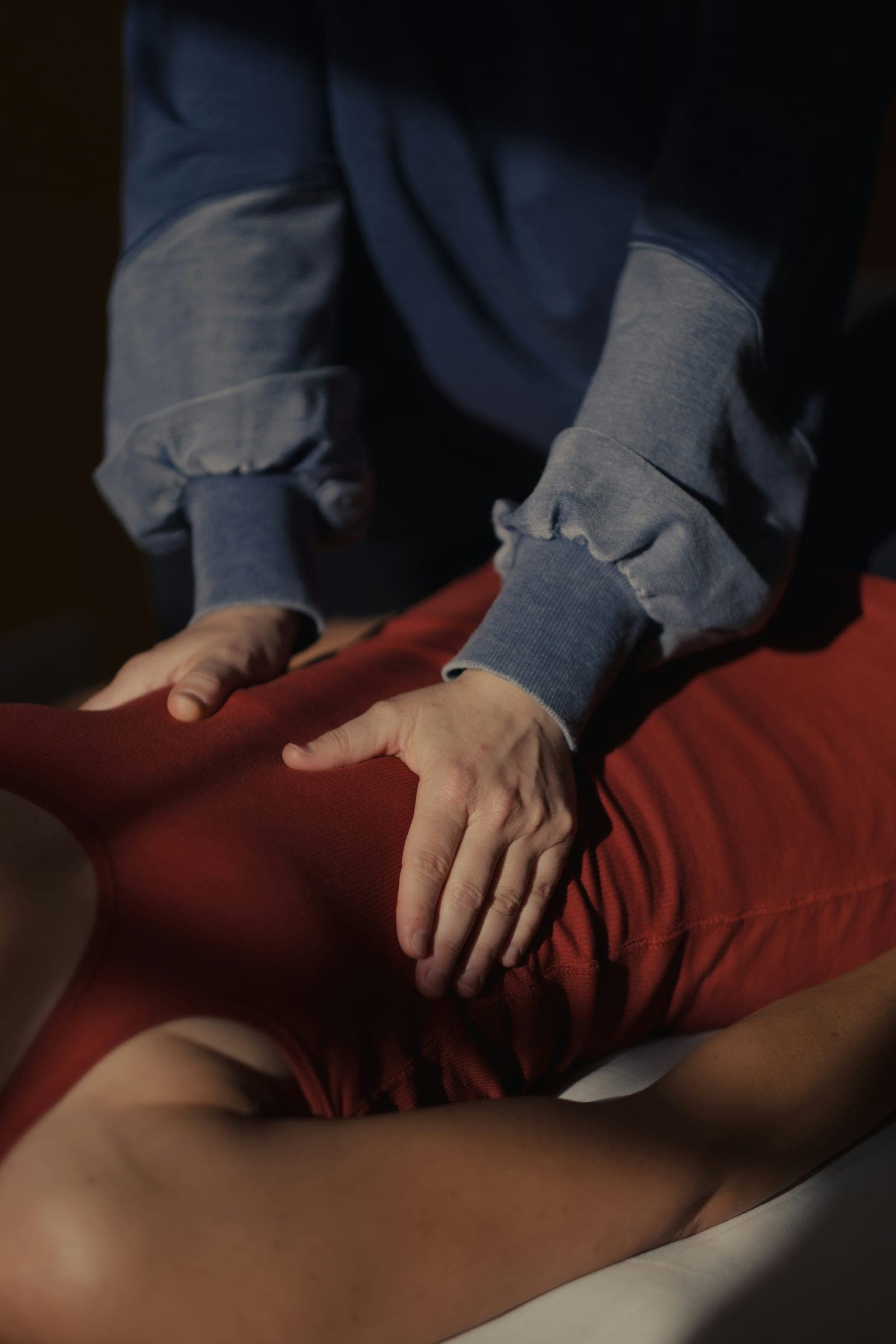
After stroke and heart attack, in the patient's own home.
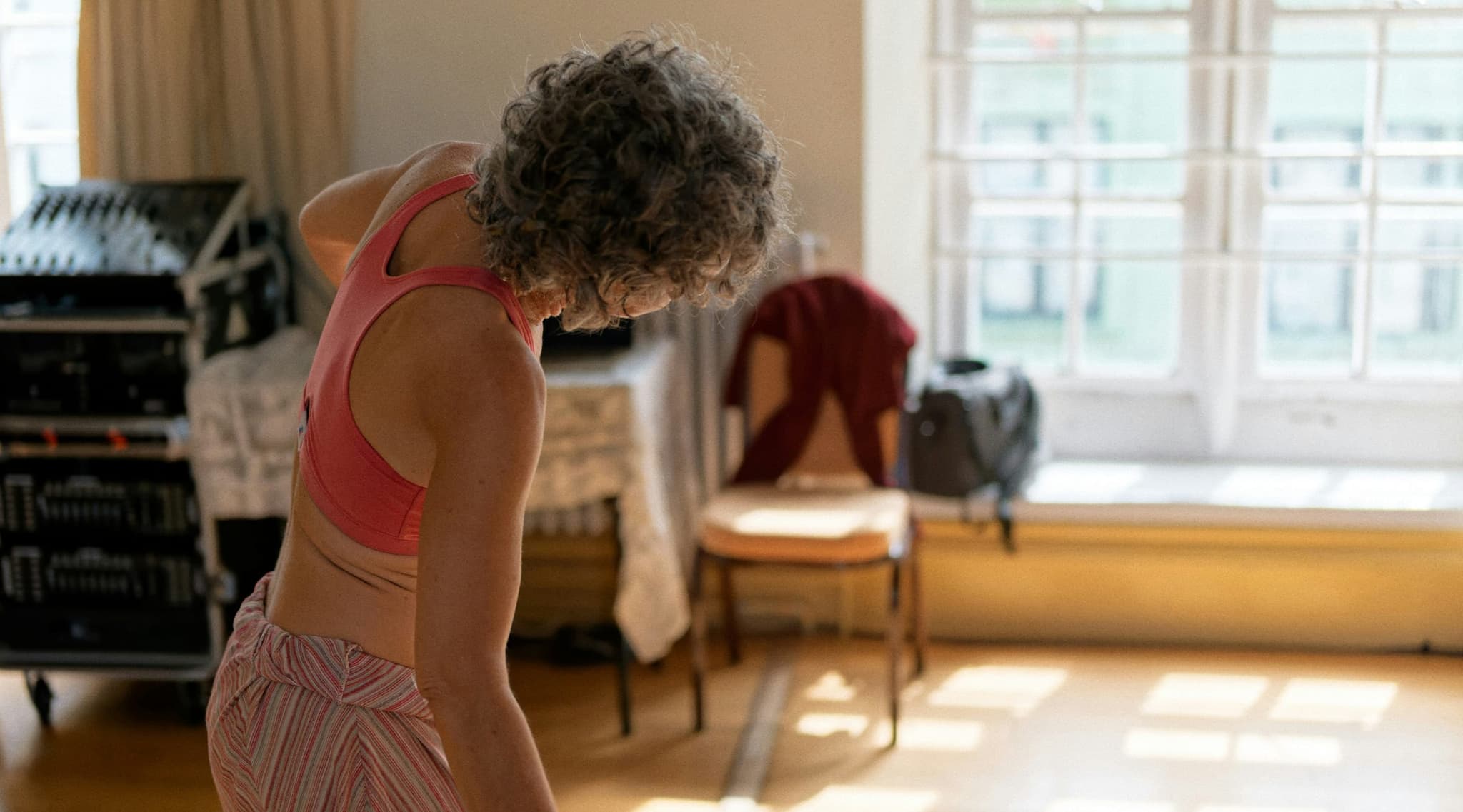
The goal is putting your own shoes on and taking the stairs alone.
The problems
Almost always lost mobility, not damage. After hours in one position part of the thoracic and lumbar spine stops moving, and the muscles around it take over the work and stay tense. That guarding is what stiffness feels like — not a sign that something broke. Which is why stretching helps for an hour or two and it is all back the next morning: the mobility has not been returned yet.
GENERAL INFORMATION, NOT A DIAGNOSIS
Numbness is the one symptom where I always check for a nerve — and in most cases it is not one. Referred sensation from the neck and shoulder girdle travels down the arm the same way and feels almost identical. The difference is in the signs: genuine nerve involvement produces loss of strength or sensation in a clearly defined area.
GENERAL INFORMATION, NOT A DIAGNOSIS
Restricted rotation rarely comes from the vertebrae. More often it is the head-forward position at a screen — the tissues behind sit shortened for hours while the ones in front stop working. The body compensates with the shoulder and the upper back, so the turn gets smaller and more awkward without anything hurting directly.
GENERAL INFORMATION, NOT A DIAGNOSIS
The question is almost never whether tissue is damaged, but how long it tolerates load. If the back hurts at the fortieth minute of sitting and not the tenth, that is a tolerance problem. The goal is not to have you avoid the chair — it is to raise the threshold at which the body starts to protest.
GENERAL INFORMATION, NOT A DIAGNOSIS
This is the word almost everyone arrives at, and almost always it is not the one. Genuine nerve involvement produces signs along the nerve's territory — numbness, tingling or loss of strength in a defined area. With no loss of sensation or strength, and pain that is dull, spread out and reproducible by pressing the muscle, the cause is elsewhere.
GENERAL INFORMATION, NOT A DIAGNOSIS
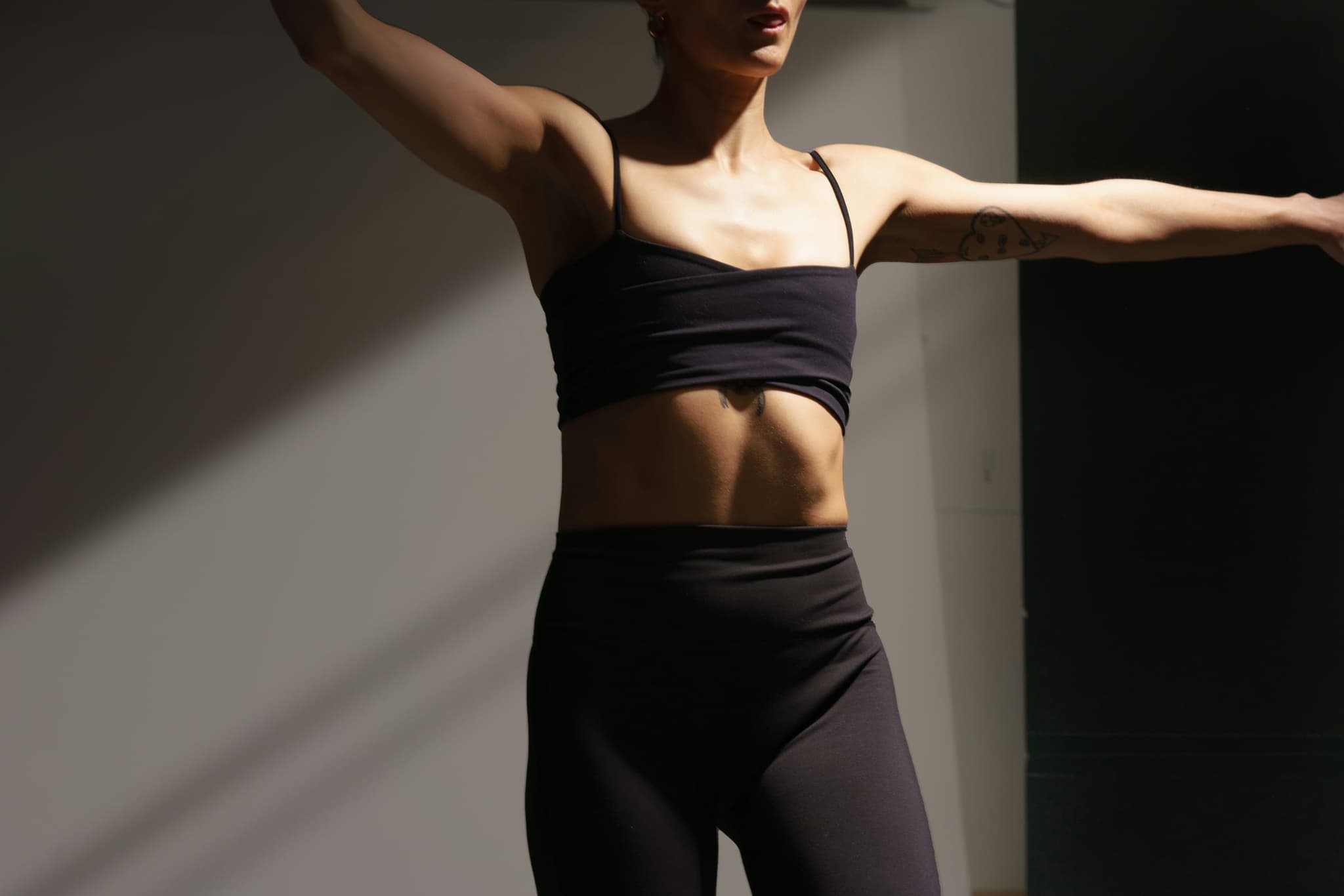
How you tell
The two feel similar and are treated completely differently. That is why the assessment comes before the hands.
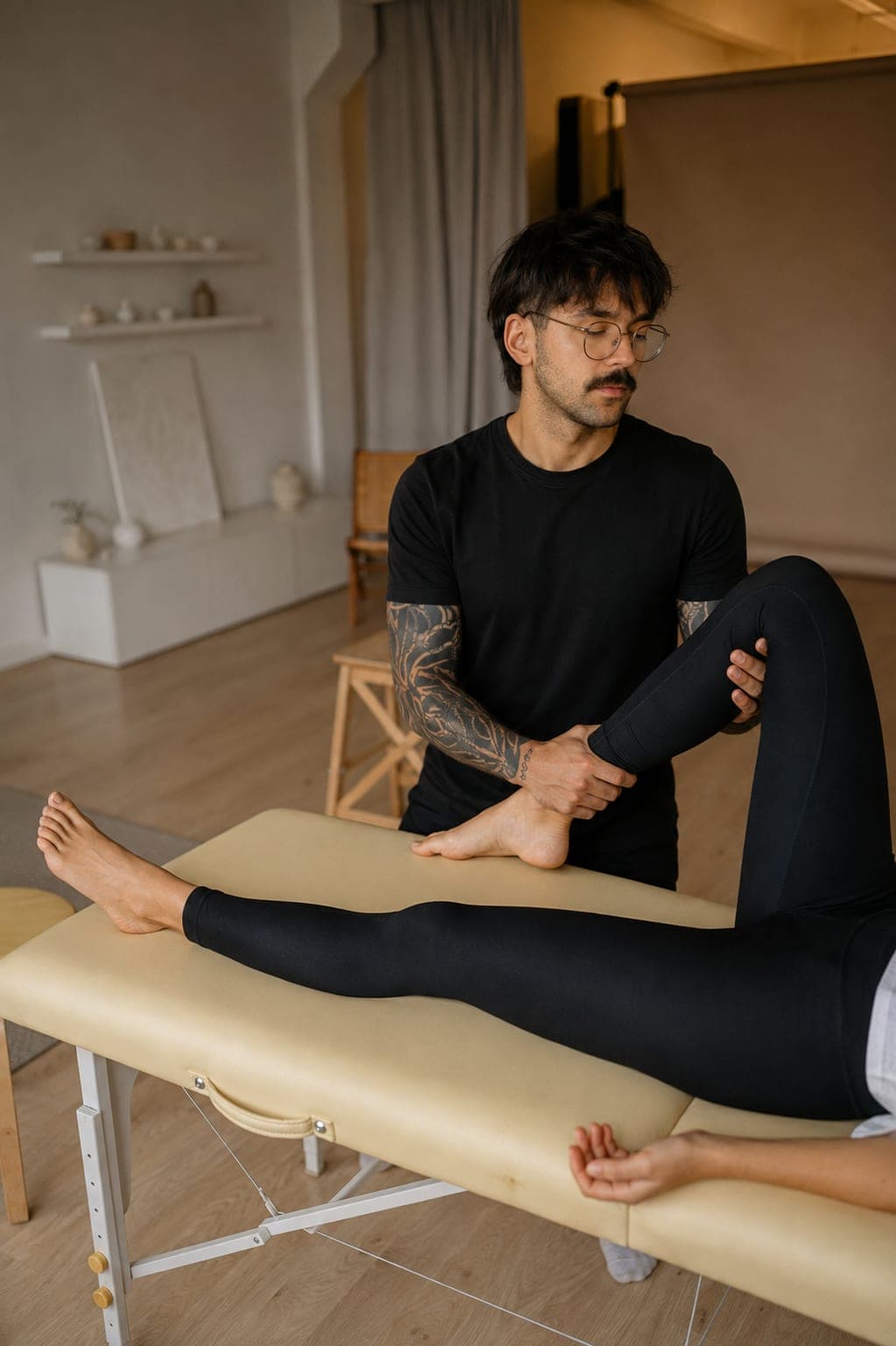
The therapist
kinesitherapist · Sofia · home visits
I am not a massage therapist. Massage is one technique — alongside manual therapy, mobilisation, stretching, cupping and scraping. Which one I use is decided by the assessment.
BSc in rehabilitation. Six months at MBAL Galabovo, where most of the caseload was post-stroke and post-cardiac.
Two patients, the same symptom. One also got a programme addressing the cause — the flare-ups stopped within a month. The other got hands-on work only — relief for two sessions, then the same pain every one to two weeks.
€70per visit
€300= €50 per session
Your single session counts as session one — you pay €230 more. Still €300 in total, nothing paid blind.
On requestpriced month by month
i-Health charges around €100 for a home visit and sends a different therapist each time.
Four phases, up to the point where you no longer need me. The plan is written down at visit one — how many sessions, what gets re-measured, and when.
Assessment, measurement, and an explanation of what is actually happening.
We bring the pain down and unload the tissue that cannot cope.
Progressive loading, so the same thing does not return in a month.
Less frequent check-ins, and work on what you want to be able to do.
Martin P.“Three years of back pain whenever I sit. First time anyone explained why.”
We still work together, but no longer because of pain.
 Ivelina D.
“At the end of the month I get a written note on what improved and what comes next.”
He comes to her flat three times a week and I know what is happening without being there.
 Radost K.
“I was certain I had a pinched nerve. It wasn't a nerve.”
He explained the mechanism in five minutes and gave me two exercises.
 Nikolay G.
“After the knee operation I thought I had to lie down for two weeks.”
We started on day five, carefully. Now I cycle without thinking about it.
 Valentina S.
“After his heart attack, Dad would not get out of the chair.”
They worked together for two months, with his cardiologist's clearance. He walks to the shop alone now.
Stefan M.“My neck was stiff every morning for two years.”
It turned out the cause was how I sit in the evening, not in the morning.
Daniela P.“I couldn't raise my arm over my head to tie my hair.”
It wasn't the shoulder — it was how I was compensating with my back.
Emil T.“I just wanted to lift my child without being afraid.”
We worked on capacity, not only on the pain.
Marina Y.“Mum is 78 and was frightened of the stairs.”
He comes twice a week to her flat. The goal was going down alone — and she got there.
Kristina V.“We screened the team and got a report by body region.”
No names, no awkwardness. We knew where to put better chairs.
Availability over the next 5 weeks
Tuesday and Wednesday are rest days.
5 WEEKS AHEAD
Loading calendar…
All times are Sofia local time.
Available days are shown in white.
Can't find a suitable time? Message me and we'll find one. hello@kinetiktherapy.com
After the request you get a link to the intake form — completed before the first visit. Health data is never collected over Instagram.
For companies
I come to the office and work with people there. Each employee gets an assessment and a structured plan for their own case — something that stays theirs outside work too. You get a summary picture of the team, by body region and never by name.
Request a proposal
EU workers reporting a work-related health problem report a musculoskeletal one — more than anything else
EU-OSHAwork-related health problem in Europe. And the most commonly underestimated
EU-OSHAEvery employee gets a short assessment and specific guidance for their own case — not generic posture advice. The plan is theirs and it stays with them.
You see where the problems are by body region. No names and no individual data — enough to know where investment is worth it.
On site at the office, no travel and no lost half day. 10–15 people within a single working day.
Because I cannot work on a body I have not measured. The assessment is part of the session and is never billed separately — together with the treatment and the home programme.
After a massage you almost always feel better — and a few days later the pain returns, because the cause is untouched. Here massage is one technique, not the service.
i-Health charges around €100 for a home visit and sends whoever is available. Here it is €70 for a single session and €50 within a programme, with the same therapist every time.
The assessment at visit one gives the number, and it gets written down — along with what is re-measured and when. If the plan changes, you will know why.
I do not work with children or with quadriplegic patients. Cardiac cases are taken only on a physician's clearance and within the prescribed limits. If a case is not for me, I will say so on the first call.
Yes — all of Sofia, no district restrictions. And it is not only convenience: at your home I see the chair you sit in for eight hours, the bed you sleep in, and the habits you would never describe in a clinic. That is often where the cause is. I arrive at the agreed time, introduce myself, and explain what I am going to do and why before starting. Someone else may be present.